Final Expense Live Transfers vs. Inbound TV Calls
What agents should know before they fund either kind of call.
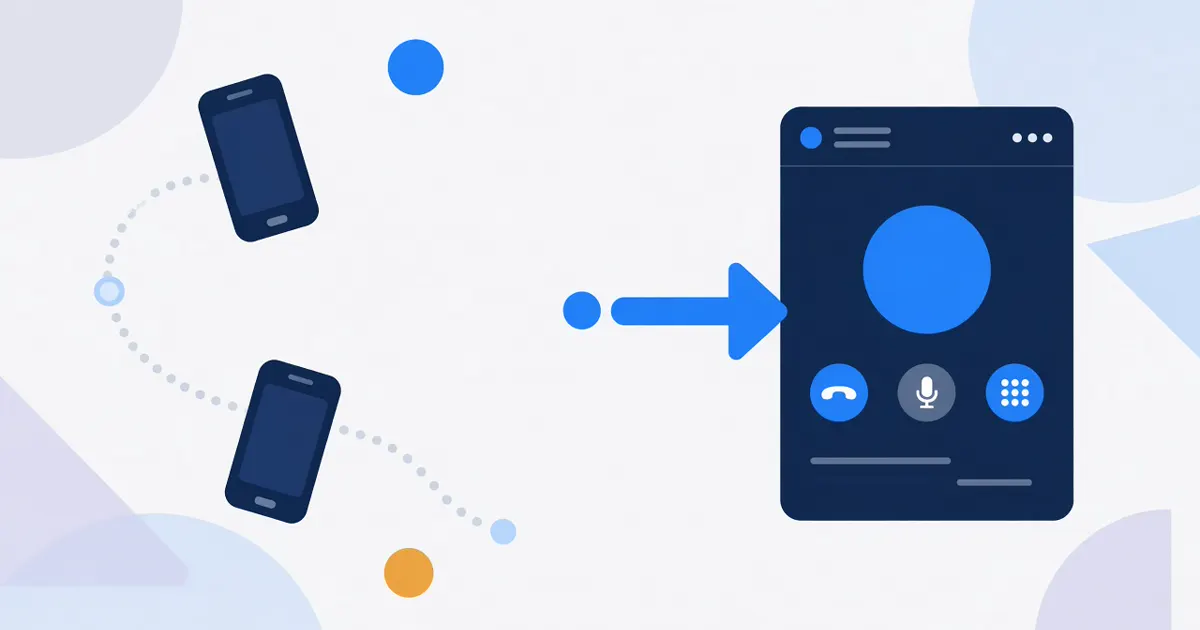
Two ways a final expense phone can ring
Agents shop final expense live transfers and inbound TV calls in the same afternoon, because both promises sound similar: a person who wants coverage is about to be on your phone. The handoff is not the same, and the bill is not triggered the same way. This page describes both paths in ordinary language. It does not rank them with a close rate, because we do not have a study that would make that ranking honest.
InboundHQ sells inbound TV calls. We do not sell live transfers. The call we bill is the one a senior places after seeing our ad. The price is $70 when connected time reaches the buffer, and $0 when it ends sooner. The rest of this page is so you can tell that product apart from a transfer before you compare invoices. The product page is final expense TV calls. The folder it lives in is final expense calls.
What a live transfer usually is
A live transfer starts somewhere other than your desk. A consumer calls a number, or a person reaches a consumer, and a screener talks to them first. The screener may confirm age, state, and that the caller wants to talk about final expense coverage. When those answers match the filter, the screener connects the caller to an agent. You hear a beep, or a short introduction, and then the caller.
That first conversation has already happened. The caller may have told their age, their state, and why they called. They may also be tired of telling it. You are the second person, sometimes the third. None of that makes a transfer a bad call. It means the caller did not dial your campaign's number and land directly on you. The company that owns the first leg of the call sets the filter and, usually, the billing trigger.
What an inbound TV call is
An inbound TV call starts on the screen. The ad is ours. The number on the screen is ours. The senior dials it. Routing looks for one agent who is online and holds a life license in the caller's state, and the softphone rings. You are the first licensed person on the call. There is no screener introducing you and no earlier pitch you have to unwind.
The callers we describe are 60 to 80, mostly retired, often at home, watching daytime television. Campaigns run on broadcast and streaming. They want a price for burial or final expense coverage. They were told a licensed agent in their state would pick up. The same path is what we mean by ${inbound}, which is why a data lead you still have to dial is a different purchase.
Who decides when you are billed
On a live transfer, the billing trigger belongs to the vendor. Some bills start when the caller is connected to you. Some start after a number of seconds the vendor chose. Some start only if the screener marked the caller qualified, and you may not see the definition of qualified until a dispute. We are not going to quote another company's price or their published duration. Those numbers change, and copying them here would pretend we audited them.
On an InboundHQ TV call, the trigger is published. Connected time is measured from the moment you answer in the softphone to hangup. The buffer for the campaign is shown in the portal before you go online. Under that buffer the call is $0. At the buffer, and for as long as the call continues, the call is $70. Ring time, hold, calls that never connect, calls routed to another agent, and setup test calls are not billed. The write-up of that measurement is the buffer guidelines. How pay-per-call offers use different triggers is on pay-per-call final expense.
What we will not claim
- We will not claim inbound TV calls close at a higher rate than live transfers. We do not publish a close rate.
- We will not quote a competitor's price, including any price you may have seen on another site, except the buffer comparison already printed on our TV calls page.
- We will not say a transfer is non-compliant, or that an inbound call is automatically compliant for every way you might use it later.
- We will not say every transfer includes a long screener script. Some handoffs are short. Ask the vendor what was said before you arrived.
A useful comparison is mechanical. Who spoke to the caller first? Did you receive a live call or a record? What event moves money out of your account? Is a short call free? Is the call exclusive? What else do you pay every month? Those questions have answers on our side. They are the questions to ask on a transfer contract too.
Exclusivity, misses, and the desk
Our inbound call goes to one agent. It is not shared and it is not resold. If you miss the ring, it moves to the next online agent licensed in that state, and the miss is not billed to you. You answer in Chrome with a headset. Your cell phone does not ring. You do not need a dialer or a CRM. Hours are 9am to 8pm ET, Monday through Friday. You choose which of your licensed states are on, and the offline switch pauses routing.
A transfer floor often uses a different phone setup, sometimes a dialer or a hard phone, because the transfer vendor's bridge expects it. That is their design. It is one more line on the comparison, not a moral point. Match the hardware to the call you actually bought.
The seat and the wallet on our side
The call price is not the only cost. The seat is $97 a month per agent, first 30 days free, cancel any time, billed to the card. It covers the softphone, the portal, recordings, disputes, and support. The wallet is separate. The minimum top-up is 5 calls, $350, then 5 calls or more, by card, instant bank payment, or ACH. Credits do not expire while the account is active. Unused credits are refunded within five business days when you close, less the processor fee noted on the pricing page.
A call that reaches the buffer is billable even if the caller was not a fit. File a dispute from the call row within 48 hours. A person listens to the recording and replies in writing within one business day. Approved credits return to the wallet. A dispute is a review, not an automatic refund. Both sides are recorded. A consent notice plays before connect. Recordings are kept 12 months, disputed calls 24 months.
Sourcing, callbacks, and agencies
Our compliance page states that the consumer placed the inbound call, that this inbound call is not treated here as a telemarketing call to that consumer, and that the Do Not Call registry does not apply to the inbound call itself. Do not call the person back on a different number without consent on the recording. Any callback you place is yours to check against the registry. That page describes our calls. This isn't legal advice; talk to your compliance team or attorney. It is not a description of a transfer vendor's first leg. Ask that vendor how their first leg was sourced.
Streaming does not turn an inbound call into a transfer. CTV final expense calls is the same TV call when the ad ran on a connected television. An agency can put several licensed agents on our inbound calls. The owner dashboard is $147 a month plus $97 per agent, first 30 days free. Volume rates sit above a monthly minimum agreed in writing. Read final expense TV calls for agencies before you move a whole floor.
The first minute, on each path
On our inbound TV call, the first minute is yours. You hear the caller after the consent notice. You give your name and your state. You ask why they dialed. They usually want a price. You have not inherited a screener's notes, because there is no screener in this path. If the call ends before the buffer, you have spent time and $0 of wallet. If it continues, the $70 is the charge for that call no matter how long the pricing conversation runs.
On a live transfer, the first minute may already be over before you join. The caller might say they already gave their age and their state. They might ask you to repeat what the last person offered. You should know, from the vendor and not from us, what that last person was allowed to say. We will not invent a script for a company we do not run. If their billing starts at the moment of the handoff, your first minute is already a billed minute. That single difference is why agents who only compare the headline price get surprised.
Neither description is a promise about applications written. A long inbound call can end without a sale and still be billable once it has passed the buffer. A transfer can be short and still be billable if that vendor bills on connect. Ask for the rule in one sentence before you compare the two invoices. Then decide which first minute you want to work.
A checklist before you pick
- Write down who talks to the caller before you do. On our TV call, you are the first licensed agent.
- Write down the billing trigger in one sentence. Ours is the buffer of connected time.
- Write down the price of a short call. Ours is $0 under the buffer.
- Write down whether the call can be sold again. Ours cannot.
- Write down the monthly seat. Ours is $97 per agent after 30 free days.
If the inbound side is the one you want, apply for final expense calls. If you still want the lead-list version of the words people mix together, read final expense inbound calls first so you do not fund a wallet expecting names to dial.
Questions
Does InboundHQ sell final expense live transfers?
No. We sell inbound TV calls. The caller dials the number on our ad, and you are the licensed agent who answers.
Why not publish a close-rate comparison?
We do not have a measured close rate for transfers or for our own calls that would make a ranking honest. Compare the handoff and the billing trigger instead.
What do you charge for the inbound TV call?
$70 after the buffer and $0 under it. The seat is $97 a month per agent, first 30 days free, on the card. The owner dashboard for an agency is $147 a month plus the agent seats.
Who sets the buffer?
The campaign buffer is shown in your portal before you go online. The measurement rules are the buffer guidelines. A transfer vendor's duration, if they use one, is their rule, not ours.
Is a transfer the same as an inbound call because my phone rings?
The ring feels similar. The path is different when someone else spoke to the caller first and their company decides what qualified means.
Where do I apply for the inbound call?
Use apply for final expense calls. Approval is within one business day. Most agents take a call the day they are approved, once training is passed and the wallet is funded.
Apply to take final expense calls
Two-minute application. A person reads it and replies within one business day.