What a burial insurance inbound call is
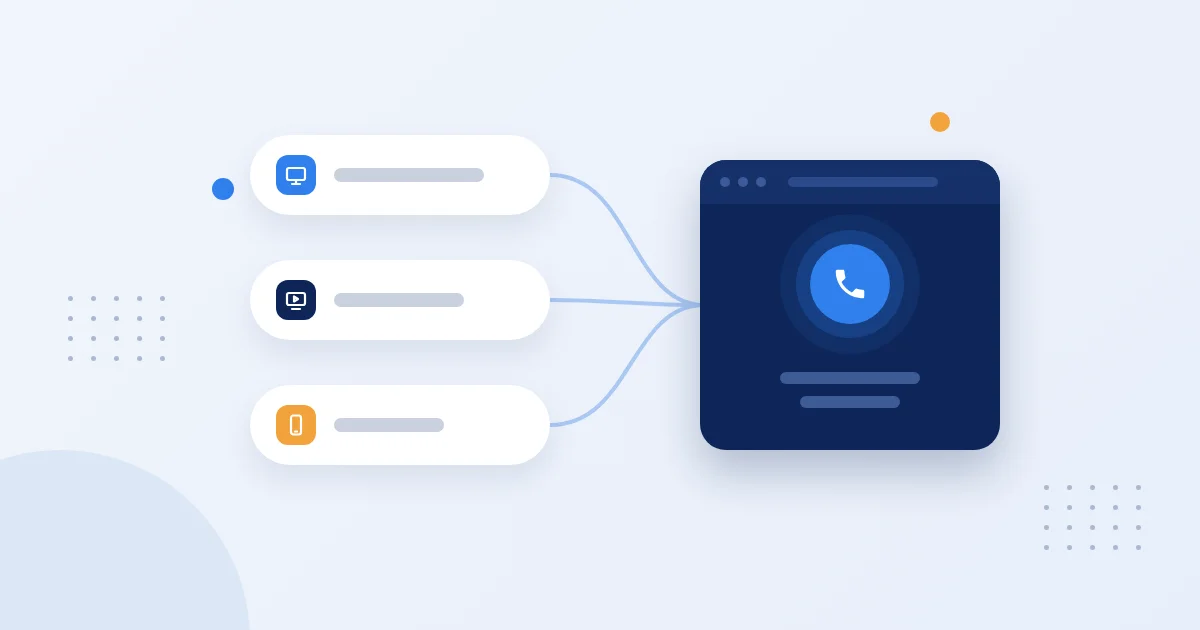
A burial insurance inbound call is a consumer-initiated phone call. A senior sees a final expense ad, the kind that talks about paying for a funeral or burial, and dials the number in the ad. The call rings one licensed agent who is online and holds a life license in the caller's state. That agent answers in their web browser and talks with the senior while the ad is still fresh in their mind.
Burial insurance and final expense are two names for the same calls on this site. Callers use their own words. Some ask about burial insurance, some about funeral insurance, and some say final expense. Every call on InboundHQ is about final expense coverage, which the training explains in one plain line: insurance that pays for a funeral or burial. How to hear each of those words on the call is covered in burial insurance, funeral insurance and final expense.
This page is for licensed agents who want to buy these calls. It is not for consumers shopping for a policy. InboundHQ is not an insurance company and does not sell insurance. You quote and write the policy under your own license and your own carrier appointments. Every page in this folder is listed on final expense calls.
Inbound calls, leads and live transfers
Agents search for burial insurance leads, burial insurance live transfers and burial insurance inbound calls as if they were one thing. They are three different products, and the difference decides how your day goes.
- A lead is a record: a name, a phone number and sometimes an age or a state. You dial it. The person may not remember the form, and the number may be wrong. InboundHQ does not sell leads.
- A live transfer starts with someone else. A screener or a call center talks to the consumer first, asks a few questions, then passes the call to you. You are not the first person the caller explained themselves to. InboundHQ does not sell transfers.
- An inbound call starts with the consumer. The senior dialed the number in the ad, and you are the first licensed agent on the line. No screener spoke to them before you. This is what InboundHQ sells.
A simple test works for any offer. If you have to dial the number, you bought a lead. If someone else spoke to the caller first, you bought a transfer. If the senior chose to call and you are the first voice they hear, it is an inbound call. The two kinds of call where your phone rings are set side by side in live transfers vs inbound calls. Buying by the call and buying by the lead are compared in pay per call vs pay per lead, and where final expense agents get business walks through leads, transfers and calls for an agent building a book.
The first few seconds show the difference. On a lead you supplied the dial, so you start by explaining why you called. On an inbound call the senior supplied the dial. They called a number that promised an agent licensed in their state, so you start by confirming what they called about and asking your first question. final expense inbound calls goes deeper on that difference.
Where the calls come from
Every call starts with an ad and a senior who chose to dial. The ads run on three kinds of screens. The path after the dial is the same each time.
TV
Seniors watching daytime TV see a final expense ad and dial the number on the screen. The people who call from TV ads are 60 to 80, mostly retired and usually at home, with time to talk. Most expect a price before the call ends. The product page is final expense TV calls.
Streaming TV
Some of the same ads play on streaming TV, the apps and smart TVs people watch at home. A call from a streaming ad is the same TV call, with the same billing rule. There is no separate streaming product. CTV final expense calls explains why.
Social media
Social callers saw a final expense ad in their feed and called from their own phone. Social calls are their own kind of call with their own price, described on final expense social calls.
Whichever screen the ad ran on, the call goes to one agent who is online and licensed in the caller's state, and it rings in that agent's web browser. Nobody else hears it. It is not shared and it is not resold. If you miss the ring, the call moves to the next online agent licensed in that state, and the missed call is not billed to you. How a call picks an agent is explained step by step in how final expense calls are routed to agents.
How the buffer decides when a call is billed
Every call has a buffer: the connected time a call must pass before it is billable. Think of it as the time you get to qualify the caller. A call that ends before the buffer costs nothing. A call that passes the buffer is billed at one set price, however long you talk after that.
Connected time starts when you answer and ends when the call hangs up. Each campaign has its own buffer, and you see it in the portal before you go online. These are never billed:
- Ring time.
- Hold time before you answer.
- Calls that never connect.
- Calls routed to another agent, including a ring you missed.
- Setup test calls.
The charge shows on the call's row in your call log within a minute of hangup, next to the recording. A call that ended under the buffer shows no charge. The full measurement rules, and the reasons a billable call can be disputed, are in the buffer guidelines.
A call that passes the buffer is billable even if you decide the caller was not a fit. That is what the dispute is for. File it from the call in your call log within 48 hours. A team member listens to the recording and replies in writing within one business day. Approved credits go back to your wallet. A dispute is a review, not an automatic credit.
What the calls cost
This page leaves prices out so it stays current. The price of each kind of call, the minimum top-up and the agency plan are on the pricing page. They are the same numbers you see in the portal.
Calls are paid from a prepaid wallet. You top up by card, instant bank payment or ACH, and each billable call comes out of the wallet. Nothing else comes out of it. Top-ups are final, so fund what you plan to use.
To work out what a burial insurance sale costs you, count in calls before you count in dollars: how many billable calls it took to write one policy. The guide on what final expense leads and calls cost runs that math for leads and calls side by side. The questions to ask before buying final expense leads lists what to ask any seller before you fund a wallet. How buffer billing compares with other pay-per-call rules is on pay-per-call final expense.
TCPA, consent and recording
Agents who buy calls usually ask about the TCPA and the Do Not Call registry first. Here is what our compliance page says about these calls.
- Every call is placed by the consumer. A senior saw a final expense ad and chose to dial.
- InboundHQ does not call consumers, does not buy lists, and does not send data leads to be dialed. No outbound call is placed to the consumer.
- An inbound call placed by the consumer is not treated here as a telemarketing call to the consumer, and the registry does not apply to the inbound call itself.
- Every call is recorded, both sides. A consent notice plays before the caller is connected.
- Recordings and call records are kept for 12 months. Disputed calls are kept for 24 months.
What you do after the call is your part. Do not call the consumer back on a different number without the consumer's consent on the recorded call. Any callback you place is checked against the national Do Not Call registry by you. Agents must not claim to be from a government program, quote a product they are not licensed for, transfer the caller to anyone outside their agency, or resell or share the caller's information. Breaking these rules closes the account. This isn't legal advice; talk to your compliance team or attorney.
Who these calls are for
Burial insurance inbound calls suit a licensed life agent who wants conversations instead of a list to dial. In practice that means:
- You hold a life license in every state you want calls from, and you turn on only those states.
- You sell final expense coverage and can quote it while the caller is on the line.
- You can sit at a computer with Chrome and a headset during call hours, 9am to 8pm ET, Monday through Friday. You turn your online switch on when you are ready and off when you are not.
- You want to be the first licensed agent the caller talks to.
- You run an agency and want several licensed agents on the same calls. final expense TV and social calls for agencies covers the owner's side, what a final expense agency owner sees shows what the owner sees, and running final expense calls for a team covers wallets for a team.
Who they are not for
- Anyone without a life license in the caller's state. Routing only rings agents licensed where the caller lives.
- Agents who want names to dial later or to hand to a dialer team. There is no list here, only live calls.
- Agents who want to pass the caller to someone outside their agency or sell the caller's details. Both are against the rules and close the account.
- Agents who need Spanish-language calls. They are not available at launch.
- Agents who want weekend calls. Calls come on weekdays only.
- Anyone looking for a promised close rate or a set number of calls a day. We do not publish a close rate, and this page does not promise a number of calls.
How to get started
Most agents can take their first call the day they finish setup. The steps are:
- Fill in the two-minute application. You can apply for final expense calls from any page on the site.
- Check out and set up your account yourself, or book a call with our team.
- Fund your wallet with at least the minimum top-up shown on the pricing page.
- Pass the short training.
- Turn on the states where you hold a life license.
- Turn your online switch on during call hours. Calls ring in your web browser.
Before your first call, read the first minute of a final expense inbound call for what the caller already knows and what to say first, and why answering final expense calls fast matters for being ready before the call rings.
Questions
What is a burial insurance inbound call?
A consumer-initiated call. A senior sees a final expense ad on TV, streaming TV or social media and dials the number. The call rings one licensed agent in the caller's state, in that agent's web browser.
Are burial insurance inbound calls the same as burial insurance leads?
No. A lead is a name and a number you dial. An inbound call is the senior already on the line. InboundHQ sells the live call, not leads.
Do you sell burial insurance live transfers?
No. On a live transfer, a screener talks to the consumer first. On these calls the senior dials and you are the first licensed agent they talk to.
When is a call billable?
When its connected time passes the buffer. A call that ends before the buffer costs nothing. Ring time, hold time before you answer, calls that never connect and calls routed to another agent are never billed.
What do the calls cost?
The prices are on the pricing page. They are the same numbers you see in the portal. Calls are paid from a prepaid wallet.
Do you call consumers?
No. Every call is placed by the consumer. No outbound call is placed to the consumer, and every call is recorded with a consent notice before the caller is connected.
Is a call shared with other agents?
No. Each call rings one agent and is never resold. A missed ring moves to the next online agent licensed in that state, and it is not billed to you.
What hours do the calls come?
9am to 8pm ET, Monday through Friday, and only while your online switch is on.
Apply to take final expense calls
Two-minute application. Then check out and set up your account yourself, or book a call with our team.